The Importance of Regular Hearing Check-Ups: Why Every Hearing Test Matters
- Reviewed By: Dr. Prabha
- Published:
Table of Contents
Key takeaways:
- Hearing loss often goes unnoticed for 5-7 years before people seek help.
- Diabetes and high blood pressure both increase your risk of hearing damage.
- Loud headphone use means Gen Z is developing hearing loss earlier than past generations.
- A complete hearing evaluation is painless and usually takes 30-45 minutes.
Introduction
Routine health check-ups often include eye examinations, dental visits, and general health screenings, but hearing health is frequently overlooked. Because hearing loss usually develops gradually, many people do not recognise the changes until communication becomes noticeably more difficult.
Regular hearing check-ups play an important role in detecting hearing changes early, even before they begin to affect daily life. Early identification allows for timely intervention, helping to maintain communication, support cognitive health, and improve overall quality of life.
In this article, you’ll learn who should schedule regular hearing check-ups, how often they are recommended, and what to expect during a comprehensive hearing assessment.
Why Hearing Loss Often Goes Unnoticed
Unlike sudden hearing loss, age-related and gradual hearing loss typically develops over several years. As hearing slowly declines, many people naturally adapt by increasing the television volume, asking others to repeat themselves more often, or avoiding noisy environments without recognising these as signs of hearing loss.
Research has shown that many people wait several years after first noticing hearing difficulties before seeking professional help. This delay can allow hearing loss to progress and increase its impact on communication, social interactions, and overall well-being. Regular hearing check-ups help identify changes early, allowing appropriate treatment or hearing support to begin before hearing loss significantly affects daily life.
Why Regular Hearing Tests Should Be Part of Your Health Check-Up
Hearing rarely gets the same routine attention as blood pressure or cholesterol, even though it affects daily life just as much.
Building a hearing check-up into your regular health routine means problems get caught early, while they’re easiest to manage.
Why Everyone Should Have a Hearing Test After the Age of 40
Hearing decline can begin well before retirement age. A hearing test for adults from 40 onward helps track changes before they affect work or relationships. Waiting until you notice a problem often means missing several years of early, easier-to-manage decline.
Diabetes, High Blood Pressure and Hearing Health
Both diabetes and high blood pressure can increase the risk of hearing loss. High blood sugar may damage the tiny blood vessels and nerves in the inner ear, while high blood pressure can reduce the healthy blood flow needed for normal hearing. If you have either condition, regular hearing check-ups should be part of your routine health screenings.
Hearing Loss Is No Longer Just an Ageing Problem
Hearing loss used to be framed almost entirely as an older adult’s issue. That’s no longer accurate. Younger adults now show measurable hearing damage decades earlier than previous generations did. That’s largely thanks to how loudly and how often we listen to audio.
Safe Listening Habits for Gen Z and Young Adults
Earbuds at near-maximum volume for hours a day add up. Regular concerts and loud venues add more. Keeping volume below 60%, taking listening breaks, and using noise-cancelling headphones in loud environments all reduce long-term risk. Getting checked occasionally in your twenties isn’t overcautious. It’s smart.
Your Brain Depends on Healthy Hearing
Hearing and cognition are more connected than most people realise. Straining to hear for years forces your brain to work harder just to fill in gaps. Some research links untreated hearing loss to faster cognitive decline over time. That’s likely because the brain gets less auditory stimulation to work with.
What Happens During a Hearing Test?
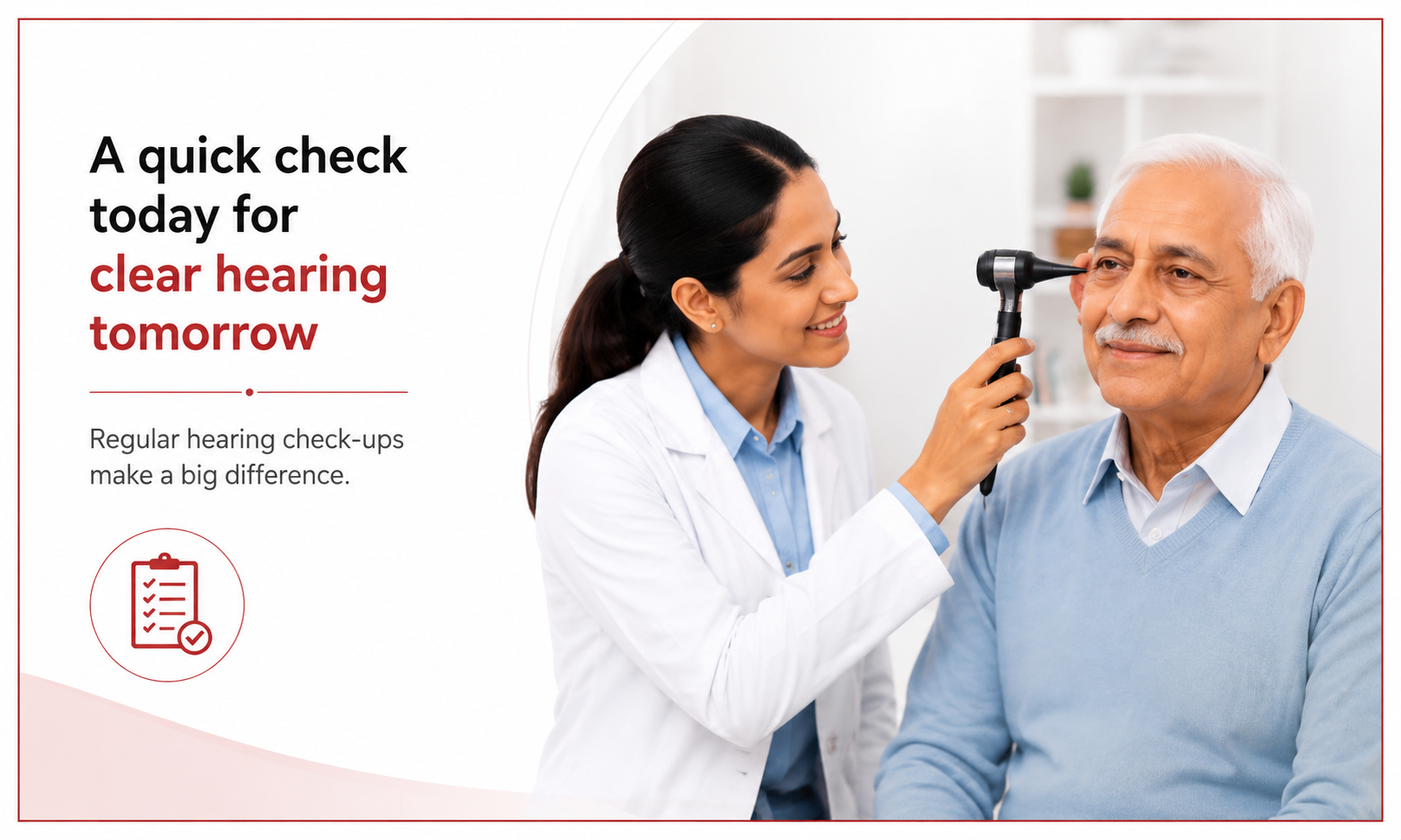
A hearing evaluation is straightforward and painless. You’ll typically sit in a quiet booth wearing headphones, responding to a range of tones and words. The audiologist maps out which frequencies and volumes you can hear clearly, and which you can’t. It’s quick, comfortable, and gives a full picture of your hearing health.
Prevention Is Always Better Than Treatment
Many causes of hearing damage are preventable, from noise exposure to unmanaged health conditions. Catching changes early through a routine hearing check-up gives you far more options than waiting.
Once certain damage sets in, it usually can’t be undone. Prevention, wherever possible, beats managing the consequences later.
Make Your Next Hearing Check-Up a Priority
A hearing check-up is an important part of preventive healthcare, not just something to consider after hearing problems become noticeable. Regular assessments can help detect changes early, allowing timely intervention before hearing loss begins to affect your daily life.
Whether you’re in your twenties or later in life, routine hearing assessments can help protect your hearing and support long-term communication and well-being.
If it’s been a while since your last hearing assessment, or you’ve never had one, now is the right time to book an appointment. Early detection offers the best opportunity to preserve your hearing and access the right support when needed.
At Quality Hearing Care, our experienced audiologists perform comprehensive, painless hearing evaluations using the latest diagnostic technology to accurately assess your hearing health. If you’ve noticed a change in your hearing, or it’s simply been a while since your last hearing check-up, schedule an appointment with our team today and take the first step toward better hearing and long-term wellness.
FAQs
Why is a hearing test important even if I don’t have any hearing problems?
Hearing loss develops gradually and often goes unnoticed for years. A baseline hearing check-up helps track changes over time, even before you’d notice anything yourself.
At what age should I start having regular hearing check-ups?
Most people should start by 40. Earlier is reasonable if you’re frequently exposed to loud noise, use headphones heavily, or have diabetes or high blood pressure.
How often should I have a hearing test?
Roughly every 1 to 3 years for most adults. Annually is safer after 60, or if you already have a diagnosed hearing condition.
Can young adults and teenagers develop hearing loss?
Yes. Loud headphone use and frequent exposure to concerts or venues mean younger people increasingly show measurable hearing damage.
Can diabetes or high blood pressure affect hearing?
Yes, both can damage the small blood vessels and nerves that support healthy hearing over time.
Related Post
-
 How Untreated Hearing Loss Can Affect Your Overall Health: It’s About More Than Just Your Ears
 -
 Ear Infection and Hearing Loss: What’s the Connection?
 -
 The Importance of Regular Hearing Check-Ups: Why Every Hearing Test Matters
 -
 Can Hearing Loss Be Reversed? What Patients Need to Know
 -
 Why Can I Hear Sounds But Not Understand Words? Understanding Hidden Hearing Loss
 -
 What's the Difference Between an Audiologist and an ENT?
 -
 6 Diseases That Cause Hearing Loss: Understanding the Connection
 -
 Why a Hearing Test Alone Is Not Enough Before Choosing Hearing Aids
 -
 How Do I Know If My Hearing Aids Are Adjusted Correctly?
 -
 Signia Hearing Aid Price in India (2026)
 -
 Understanding Communication Issues in Elderly Patients: The Distinction Between Hearing and Listening
 -
 Hearing Loss: Types, Symptoms, Causes & Treatment
 -
 Age-Related Hearing Loss (Presbycusis)
 -
 How to Safely and Properly Clean Your Ears- Methods & What to Avoid
 -
 Hearing Aids- Benefits, Different Styles/Types and How They Work
