How to Safely and Properly Clean Your Ears- Methods & What to Avoid
Table of Contents

If your ears feel blocked, it is tempting to try a home remedy. Before you do, remember that ears normally clear wax naturally. This guide explains safe outer-ear care, when wax-softening treatment may be suitable, and when to seek professional help.
Should You Actually Even Clean Your Ears?
Before understanding how to properly clean your ears at home, you need to figure out whether you really need to clean them at all. The ear is a self-cleansing organ. Earwax, or cerumen, acts as a natural cleanser by protecting the ear canal from dirt, dust, or bacteria.
However, when it accumulates, it may cause some discomfort or interfere with your hearing abilities. Here’s how to determine if ear cleaning is necessary.
Symptoms of Earwax Impaction
When there is an accumulation of earwax, you may start feeling the following symptoms:
- Earaches or a sensation of fullness in the ear
- Hearing loss in the affected ear
- Tinnitus or ringing in the ear
- Dizziness or imbalance
To avoid complications, you can follow the guidelines on how to clean your ears at home or seek medical attention for professional ear cleaning.
When to See a Doctor?
Though minor wax buildup in the ear is manageable with self-home treatment, consulting your doctor is necessary when,
- There is a persistent sensation of blockage and pain in the ears.
- Home remedies don’t work.
- You have a history of recurring ear infections or surgeries; a professional will handle this better.
Why Cleaning Your Ears is Important
Earwax helps protect the ear canal. Most ears do not need routine cleaning inside the canal. Clean the outer ear gently and seek advice if wax causes blockage, discomfort or hearing difficulty.
How Often Should You Clean Your Ears?
There is no single cleaning schedule for everyone. Your ears usually clear wax naturally. If you repeatedly develop blocked ears, ask a clinician about an individual care plan instead of routinely cleaning inside the canal.
Best and Safe Ear Cleaning Methods at Home
Your ears normally clear wax naturally. Clean only the outside of your ear with a soft, damp cloth, and avoid putting cotton buds or other objects into the ear canal. If you think wax is blocking your ear, a pharmacist or clinician can advise whether a wax-softening product is appropriate. Follow the product instructions. Do not use ear drops if you have a perforated eardrum. If you have ear pain, discharge, a history of ear surgery, or uncertainty about the cause of reduced hearing, get professional advice before trying a home treatment.
Do not direct steam into your ear or lean over a bowl of boiling water to remove earwax. Hot water and steam can cause scalds. Avoid homemade rinses and home irrigation unless a clinician has assessed your ear and advised you how to proceed. Persistent blockage or hearing difficulty should be checked rather than repeatedly treated at home.
Sudden hearing loss needs immediate medical assessment. Do not assume it is earwax or wait for a routine hearing-aid appointment.
Ear Cleaning and Hearing Aids
Ear hygiene is crucial for individuals who use hearing aids. Earwax buildup can interfere with the hearing device’s performance, causing muffled sounds or damaging the device. Regular, safe cleaning methods help ensure that hearing aids remain effective and comfortable in the long run.
If your hearing aid continues to produce muffled sound or perform poorly even after proper ear cleaning, it may require professional hearing aid repair services to restore its performance and ensure optimal hearing.
Methods to Avoid When Cleaning Your Ears
While most of the techniques are safe, some can be harmful. Therefore, avoid the following practices while contemplating how to clean ear wax or remove buildup.
Ear Candling
Ear candling is the act of inserting a lit candle into the ear. It is not safe and does not effectively remove earwax. The risks include burns and further blockage in the ear.
Inserting Items in Your Ear
Never insert anything into your ear canal, including bobby pins, pens, or fingers. This can shove the wax further in or injure the delicate ear structure.
Are cotton swabs effective for earwax removal?
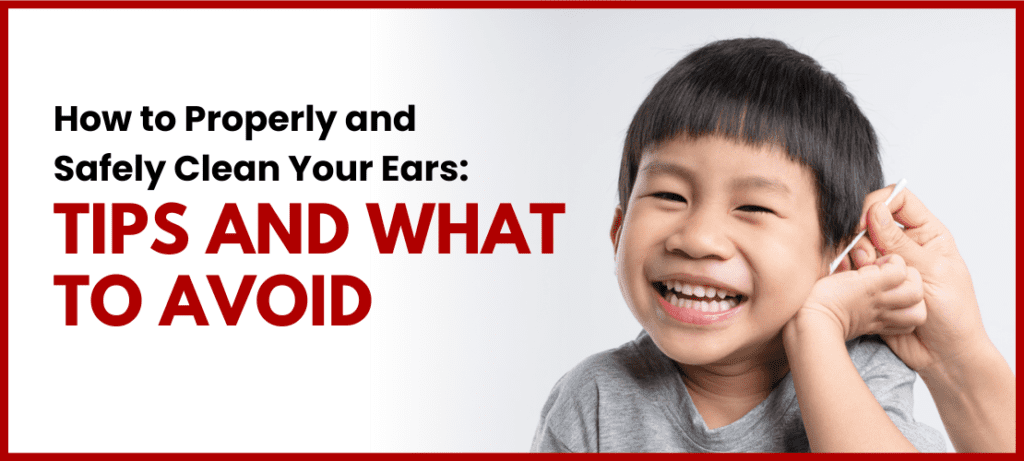
Though widely used, cotton swabs can be harmful. They tend to push earwax further into the ear canal, leading to impaction and potential injury. Cotton swabs are safe only for cleaning the outer ear.
Tips to Keep Your Ears Healthy by Dr. Prabha
Protect your ear from loud noises
- Avoid loud noises if you are exposed for a long time use a noise proctor.
- Use 60 60 rules if you are using headphones or earphones keep the volume below 60%. And limit the listening time to 60 minutes at the time.
- Don’t use cotton to block your ears.
- Don’t use pins or any sharp object to clean your ears.
- Keep your ears dry.
FAQs
Avoid using cotton buds in the ear canal, as they can cause impaction and injury.
There are some alternate solutions to safely clean your ears, which include a damper cloth or ear-cleaning drops. They are safer compared to the cotton buds.
Olive oil can soften earwax and help it come out naturally. Ask a pharmacist or clinician whether it is suitable for you, and do not use ear drops if you have a perforated eardrum.
If your ear remains blocked or your hearing is reduced, get advice from a clinician or pharmacist rather than repeatedly trying home remedies. Sudden hearing loss needs immediate medical assessment.
Related Post
-
 How Untreated Hearing Loss Can Affect Your Overall Health: It’s About More Than Just Your Ears
-
 Ear Infection and Hearing Loss: What’s the Connection?
-
 The Importance of Regular Hearing Check-Ups: Why Every Hearing Test Matters
-
 Can Hearing Loss Be Reversed? What Patients Need to Know
-
 Why Can I Hear Sounds But Not Understand Words? Understanding Hidden Hearing Loss
-
 What's the Difference Between an Audiologist and an ENT?
-
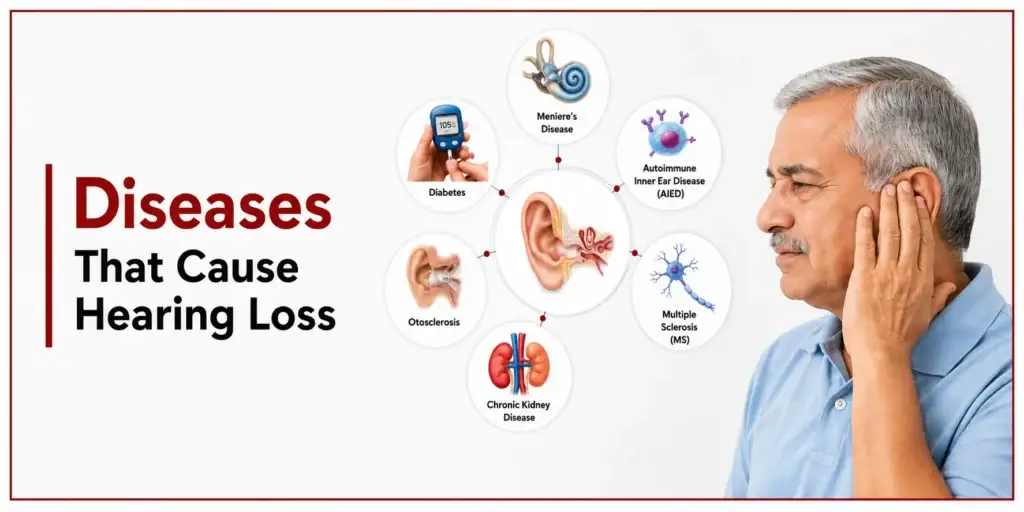 6 Diseases That Cause Hearing Loss: Understanding the Connection
-
 Why a Hearing Test Alone Is Not Enough Before Choosing Hearing Aids
-
 How Do I Know If My Hearing Aids Are Adjusted Correctly?
-
 Signia Hearing Aid Price in India (2026)
-
 Understanding Communication Issues in Elderly Patients: The Distinction Between Hearing and Listening
-
 Age-Related Hearing Loss (Presbycusis)
-
 How to Safely and Properly Clean Your Ears- Methods & What to Avoid
-
 Hearing Aids- Benefits, Different Styles/Types and How They Work
-
 What Level Of Hearing Loss/ Deafness Requires A Hearing Aid?