
How Do I Know If My Hearing Aids Are Adjusted Correctly?
Key takeaways:
- Muffled speech, feedback, and listening fatigue are common signs of a poor adjustment.
- New aids require an acclimatisation period of four to six weeks — some early discomfort is normal.
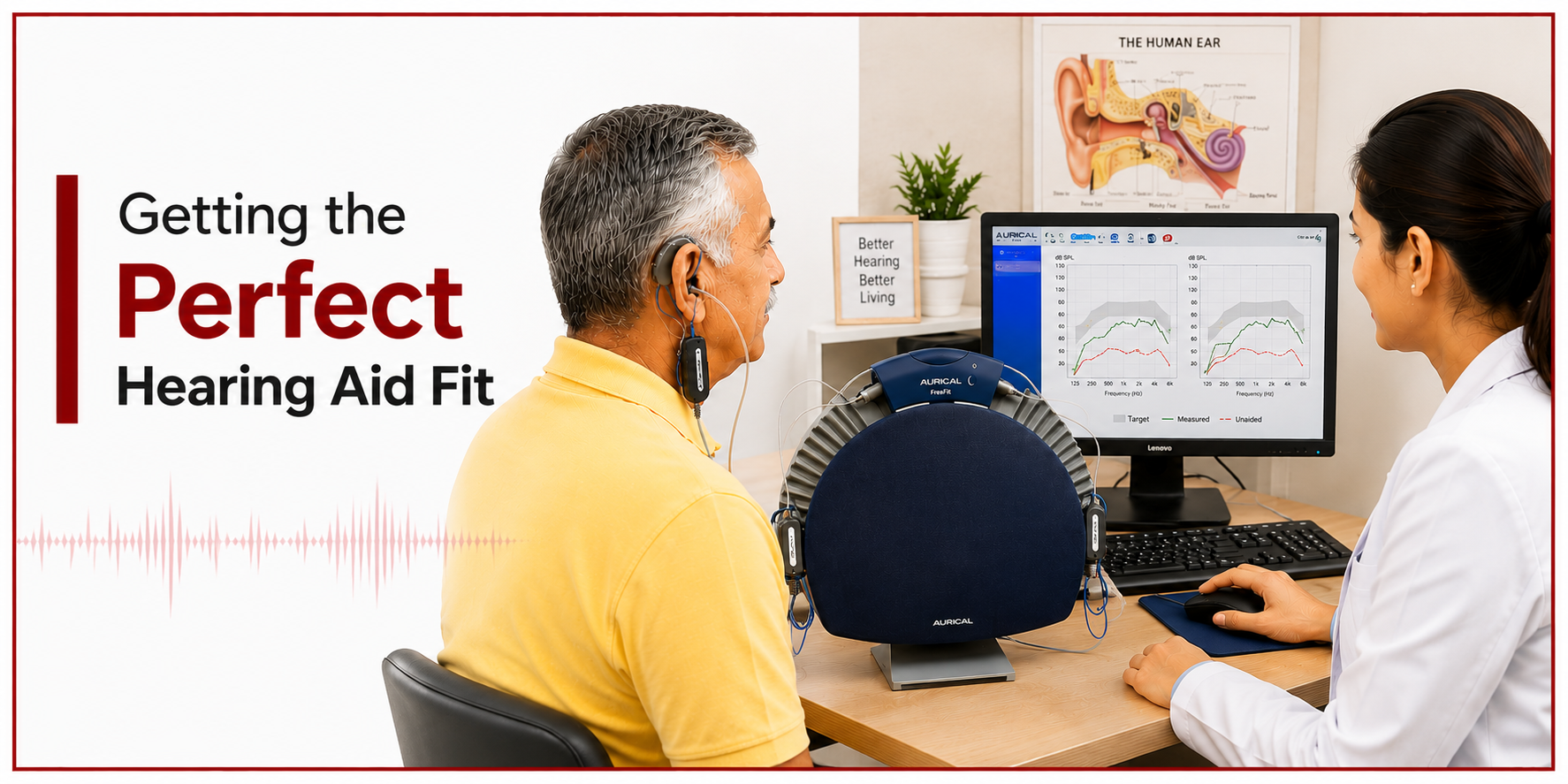
- Real-ear measurement is the gold-standard tool for verifying that programming matches your audiogram.
- Regular follow-up appointments help keep settings aligned with your changing hearing needs.
Why Proper Hearing Aid Adjustment Matters
Signs Your Hearing Aids May Need Adjustment
Some signs are obvious. Others creep up so gradually you stop noticing them. Here’s what to watch for:
- Speech sounds muffled or difficult to hear clearly, even at higher volume settings.
- Certain sounds (cutlery, keyboards, running water) feel painfully sharp or tinny.
- A persistent whistle or feedback when no one is nearby.
- Your own voice sounds hollow, as if you’re speaking inside a container.
- You’re mentally exhausted after conversations that should feel easy.
- You keep removing your aids in the situations where you need them most
How Long Does It Take to Adjust to New Hearing Aids?
Tips for Getting the Best Hearing Aid Adjustment
- Keep a listening diary for the first few weeks. Note which environments cause problems and describe how sounds feel, not just that they feel “off”.
- Be specific with your audiologist. “Voices sound flat and far away in cafés” is more useful than “it doesn’t sound right”.
- Ask whether real-ear measurement (REM) was used during fitting. REM verifies that the output matches your audiogram targets and is the most accurate verification method available.
- Try your aids in the situations that matter most to you: restaurants, phone calls, and TV. Report back on each one
When to Contact Your Audiologist
Don’t wait until things feel unbearable. Reach out to your audiologist if:
- Discomfort hasn’t improved after six weeks of consistent wear.
- You notice a sudden change in how your aids sound.
- Feedback or whistling has increased without an obvious cause.
- You’ve had a change in your hearing, perhaps after an illness or infection
A hearing aid adjustment appointment is quick and straightforward. Your audiologist can update the programming, recheck physical fit, and run verification tests. At Quality Hearing Care, follow-up visits are a normal, expected part of the hearing journey. Nothing about needing one should feel like a setback.
Common Mistakes That Affect Hearing Aid Performance
Sometimes the settings aren’t the issue. These common mistakes are worth ruling out first:
- Wearing aids inconsistently: the brain adapts faster with regular, daily use. Occasional use slows this down significantly.
- Skipping follow-up appointments: the first fitting is rarely the final one.
- Not cleaning the aids regularly: wax or debris in the receiver directly affects sound quality.
- Inserting them incorrectly: a poor physical seal causes feedback and reduces amplification.
- Adjusting volume manually every day: if you’re always turning it up or down, the base settings almost certainly need reviewing.
Small habits make a bigger difference than most people realise.
Conclusion
FAQs
How Often Should Hearing Aids Be Adjusted?
Most audiologists recommend a review every six to twelve months, even if things feel fine. Hearing changes gradually over time, and regular check-ins help keep your programming matched to your current audiogram.
Can Hearing Aids Be Too Loud Even at Low Settings?
Yes. If your aids have been overprogrammed relative to your audiogram, even the lowest setting can feel harsh or uncomfortable. This is a programming issue, not a physical one. Your audiologist can recalibrate the output targets in a single appointment.
Will My Hearing Aids Need Reprogramming Over Time?
Very likely. As your hearing changes, your audiogram changes with it. Settings that suited you two years ago may no longer match your current hearing profile. That’s why ongoing appointments matter just as much as the initial fitting.
Related Post
-
 How Untreated Hearing Loss Can Affect Your Overall Health: It’s About More Than Just Your Ears
 -
 Ear Infection and Hearing Loss: What’s the Connection?
 -
 The Importance of Regular Hearing Check-Ups: Why Every Hearing Test Matters
 -
 Can Hearing Loss Be Reversed? What Patients Need to Know
 -
 Why Can I Hear Sounds But Not Understand Words? Understanding Hidden Hearing Loss
 -
 What's the Difference Between an Audiologist and an ENT?
 -
 6 Diseases That Cause Hearing Loss: Understanding the Connection
 -
 Why a Hearing Test Alone Is Not Enough Before Choosing Hearing Aids
 -
 How Do I Know If My Hearing Aids Are Adjusted Correctly?
 -
 Signia Hearing Aid Price in India (2026)
 -
 Understanding Communication Issues in Elderly Patients: The Distinction Between Hearing and Listening
 -
 Hearing Loss: Types, Symptoms, Causes & Treatment
 -
 Age-Related Hearing Loss (Presbycusis)
 -
 How to Safely and Properly Clean Your Ears- Methods & What to Avoid
 -
 Hearing Aids- Benefits, Different Styles/Types and How They Work
